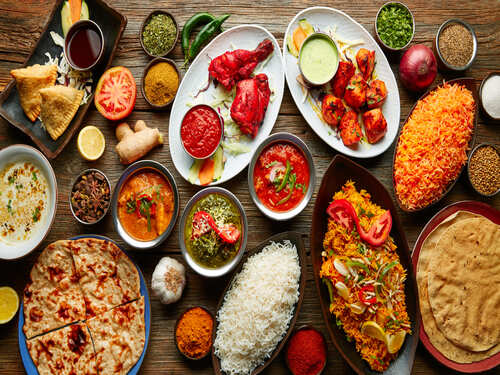
“Diversity” is defined as the “condition or fact of being different or varied.” Diversity in food then, can mean a few different things: For one, the representation of all cuisines and culture. Or, the array of nutrients needed for a full, well-rounded diet. Or, the variety of crops grown on a farm.
If you’ve been following this series, The ABCs of Good Food, you might already have noticed a pattern in food rhetoric: Just like “authenticity,” “diversity” means something different to each and every person you ask, depending on what is at stake for them. For the sake of brevity, we’ll talk about the two most considered definitions, as they relate to food and how food moves culture.
Diversity in diet means the year-round enjoyment of geographically varied foods. In our current food system, this is not very difficult to do. As of 2016, over 50 percent of fruits and 30 percent of vegetables that we enjoy year round in the U.S. are imported. Hailing largely from Latin America and Canada, these imports manifest as plump, crisp blueberries and perfect avocados in the dead of February—when we can’t even keep an herb plant alive indoors.
Comments
Post a Comment